If you’ve run an MES selection process in the last few years, you’ve probably built a shortlist that includes Rockwell’s FactoryTalk stack and Plex, then filled out the rest with whatever your integrator recommended. Critical Manufacturing rarely makes that first cut, which is a little strange given that Rockwell Automation has owned a majority stake in the company since 2021 and has kept it running as a distinct product line rather than folding it into Plex. That decision alone tells you something: Rockwell doesn’t think one MES architecture serves every industry, and it’s willing to sell two.
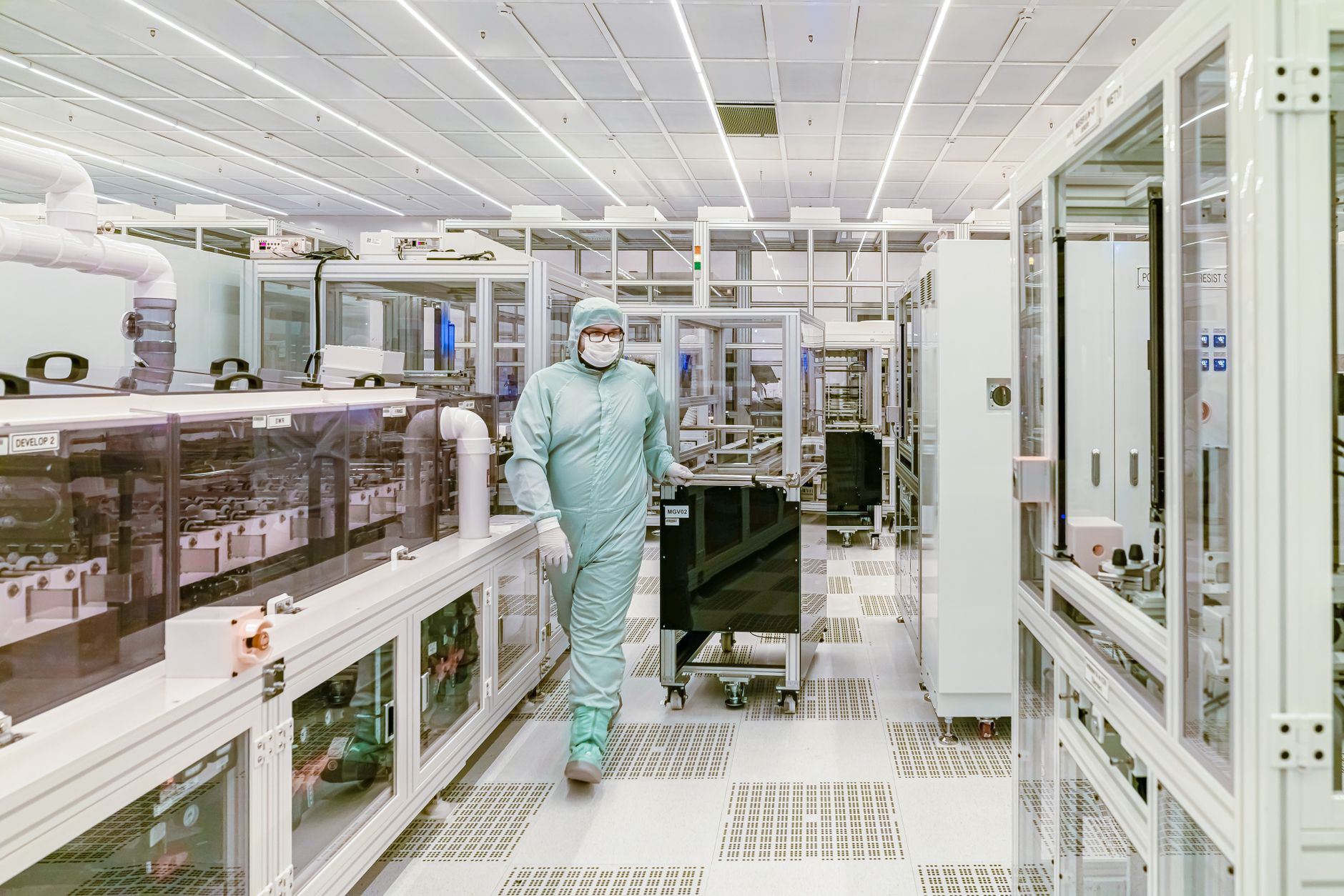
Critical Manufacturing was originally built in Portugal, with roots and continued strength in semiconductor and electronics manufacturing — industries with process complexity, traceability requirements, and equipment integration demands that most discrete-focused MES platforms weren’t designed around. That heritage still defines the product today, even as Rockwell has pushed AI copilot features and tighter platform messaging across its full MES portfolio.
What Critical Manufacturing actually is
At its core, Critical Manufacturing MES is a highly configurable, standards-aligned execution system built around ISA-95 data models, with strong native support for the kind of complex routing, genealogy, and equipment integration that semiconductor fabs, electronics assembly, and regulated device manufacturers need. It handles non-linear process flows, lot splitting and merging, and dense equipment automation (SECS/GEM connectivity is a real strength here) in ways that feel purpose-built rather than bolted on.
Where a lot of MES platforms treat traceability as a feature, Critical Manufacturing treats it as the organizing principle. Genealogy, electronic batch records, and audit trail generation are woven through the workflow engine rather than layered on top. For medical device and pharma-adjacent electronics manufacturers working under FDA 21 CFR Part 11 or similar validation regimes, that matters — validation documentation and change control are easier when the platform was designed with regulated industries in mind from the start.
The configuration-over-customization philosophy
The platform leans heavily on configuration rather than custom code to handle process variation — workflows, business rules, and screens are built through configurable objects rather than one-off scripting. In our assessment, this is a genuine strength for complex, high-mix environments, because it keeps upgrades from turning into re-implementations. It’s also a real learning curve. Teams coming from simpler MES tools or from spreadsheet-and-SCADA environments often need a longer runway to get comfortable with the object model before they’re self-sufficient.
Critical Manufacturing vs. Plex: different DNA, not just different price points
Plex built its reputation on cloud-native, multi-site discrete and process manufacturing — automotive suppliers, food and beverage, industrial products — with a strong ERP-adjacent feature set (quality, inventory, financials) delivered as a single SaaS platform. It’s opinionated in a good way: fast to stand up, broad out-of-the-box functionality, and a lower ceiling on the kind of deep configuration Critical Manufacturing supports.
Critical Manufacturing is the opposite kind of opinionated. It assumes your process is genuinely complex — hundreds of process steps, dense equipment integration, tight genealogy requirements — and gives you the tools to model that complexity precisely, at the cost of a steeper implementation curve. Plex will get a mid-complexity plant running faster. Critical Manufacturing will handle a semiconductor back-end or a Class II device line’s process complexity more faithfully.
Rockwell doesn’t publicly frame this as an either/or, and in practice it isn’t one. The company’s core FactoryTalk MES tooling occupies yet another spot on the spectrum, closer to traditional discrete manufacturing execution tied tightly to its own controls and automation hardware. Reasonable practitioners can disagree about how cleanly Rockwell has communicated which platform fits which buyer — that ambiguity is arguably the biggest reason Critical Manufacturing gets under-evaluated in RFPs that default to the more heavily marketed Plex brand.
What the Rockwell relationship means in practice
Being owned by Rockwell Automation gives Critical Manufacturing something a mid-market independent MES vendor rarely has: a parent with deep balance sheet stability, an existing global services and support organization, and a controls/automation portfolio (PlantPAx, FactoryTalk, Kinetix drives, ControlLogix platforms) that Critical Manufacturing can integrate against more natively than a third-party MES would. For plants already standardized on Rockwell automation hardware, that’s a real integration advantage — fewer translation layers between the equipment floor and the execution layer.
The tradeoff, at least as a matter of buyer perception, is roadmap clarity. Rockwell has been public about pushing AI copilot capabilities and platform consolidation themes across Plex and FactoryTalk Optix. Where Critical Manufacturing’s own AI and UX roadmap lands relative to those efforts isn’t something outside observers can fully verify yet, and prospective buyers should ask Rockwell directly, in the RFP process, how the two MES lines’ roadmaps will diverge or converge over the next few product cycles. That’s a fair diligence question, not a criticism — it’s simply unresolved from the outside.
A decision checklist
- Pick Critical Manufacturing if: you’re in semiconductor, electronics, or medical device manufacturing with complex, non-linear routing; you need deep genealogy and validation-ready traceability; you have an internal team or integrator willing to invest in the configuration model rather than expecting instant out-of-the-box fit.
- Pick Plex if: you run multi-site discrete or process manufacturing with moderate complexity, want a single cloud platform that also covers quality and inventory, and value speed to deployment over deep process modeling.
- Pick core FactoryTalk MES tooling if: you’re already standardized on Rockwell controls hardware and want tight, native integration with existing PlantPAx or ControlLogix investments, and your process complexity doesn’t demand Critical Manufacturing’s depth.
- Ask every vendor directly: how does implementation timeline and total cost of ownership compare for your specific process complexity, and what does the multi-year AI/UX roadmap actually look like for the specific product line you’re buying — not the portfolio marketing.
The bottom line
Critical Manufacturing isn’t a smaller, cheaper Plex, and it isn’t trying to be. It’s a specialist platform for manufacturers whose process complexity genuinely exceeds what most MES tools were built to handle, now backed by a parent company with the resources to keep investing in it. If your shop floor looks like a semiconductor fab, an electronics assembly line with dense equipment integration, or a regulated device manufacturer that lives and dies by traceability, it deserves a real look in your RFP — not a footnote next to the platform everyone already knows how to spell. The teams most likely to regret skipping it are the ones who chose based on brand familiarity rather than process fit, then spent the following year customizing a simpler platform to do what Critical Manufacturing does natively.
This article was written with the assistance of artificial intelligence. While we aim for accuracy, the information may be incomplete, out of date, or incorrect, and should be independently verified before you rely on it for any decision. It is provided for general information only and does not constitute professional advice.